info@radisunenergy.in
 +91-7860950013
O&M Service
O&M stands for "Operations and Maintenance." In the context of various industries, including energy, infrastructure, and technology, O&M services refer to the ongoing activities and tasks required to ensure the smooth operation, performance, and upkeep of assets or systems. Here's an overview of what O&M services entail:
Operations:- Monitoring: Continuous monitoring of systems, processes, or equipment to ensure they are functioning within specified parameters.
- Control: Managing and adjusting operational settings as needed to optimize performance.
- Data Analysis: Analyzing operational data to identify trends, anomalies, or areas for improvement.
- Process Optimization: Identifying and implementing changes to enhance efficiency and effectiveness.
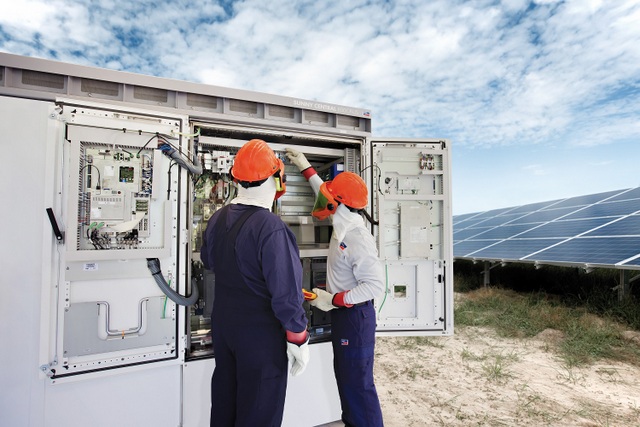
Maintenance:
- Preventive Maintenance: Scheduled activities designed to prevent equipment or system failures, including inspections, lubrication, and component replacements.
- Corrective Maintenance: Addressing unexpected issues or breakdowns to restore functionality.
- Predictive Maintenance: Using data and analytics to predict when maintenance is needed, reducing downtime and extending asset life.
- Routine Inspections: Regular checks to identify and address wear and tear, potential issues, or safety concerns.
- Problem Identification: Identifying and diagnosing issues that may arise during operations.
- Root Cause Analysis: Investigating the underlying causes of problems to implement long-term solutions.
- Compliance: Ensuring that operations and maintenance activities comply with relevant health, safety, and environmental regulations.
- Training: Providing ongoing training for personnel to maintain a safe working environment.
- Inventory Management: Tracking and managing the inventory of spare parts and equipment needed for maintenance activities.
- Lifecycle Planning: Developing strategies for the long-term management and replacement of assets.
- Key Performance Indicators (KPIs): Establishing and tracking KPIs to assess the performance of assets or systems.
- Reporting: Providing regular reports on the performance, maintenance activities, and any incidents or issues.
- Technology Upgrades: Implementing upgrades or modifications to enhance the efficiency, reliability, or capabilities of systems.
- Compliance Upgrades: Making changes to meet updated regulations or standards.
- Environmental Compliance: Ensuring that operations and maintenance activities adhere to environmental regulations.
- Sustainability Initiatives: Implementing practices to reduce the environmental impact of operations.
Copyright © 2024. Radisun-solar All Right Reserved. And Designed & Developed By websitesolutionindia.com